
What to Pack for Southeast Asia
Complete packing checklist tailored to Southeast Asia's climate and culture
Climate Overview for Southeast Asia
Singapore and most of Southeast Asia sit firmly within the tropics, which means a climate defined by heat and humidity. You will feel the warm, heavy air as soon as you step outside, a constant presence that dictates every packing choice. Sudden, intense downpours are a daily possibility, arriving with the sound of fat raindrops hitting broad leaves and city pavement, then vanishing just as quickly under the returning sun. The goal is not to pack for cold. But for moisture management and sun protection. Lightweight, breathable fabrics that dry quickly are non-negotiable, as you will see sweat evaporate from them in the open air. The equatorial sun is strong and direct, making high-SPF sunscreen and protective layers essential from morning until evening.
Clothing & Footwear
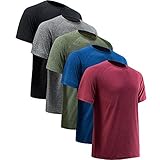
The constant humidity in Singapore will leave cotton shirts damp and uncomfortable for hours. These shirts pull sweat away from your skin, helping you feel cooler as you navigate the city's steamy streets and busy markets.

Good for days that start with temple visits in the morning heat and transition to jungle trekking or an evening downpour. The zip-off feature lets you adapt to the sudden change from a conservative dress code to a more casual setting.

Good for a slightly more polished look when visiting upscale restaurants or religious sites in Singapore where covered shoulders are appreciated. The loose weave allows air to circulate, offering a defense against the stifling heat.
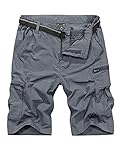
Essential for casual exploration. If you get caught in one of Singapore's sudden tropical showers or sweat through a walk in the Botanic Gardens, these will be dry again in a short time, preventing that clammy feeling.

A downpour can arrive without warning, during the inter-monsoon periods. A packable jacket stows easily in a daypack, ready to pull out when you hear the first thunderclap or feel the cool breeze that often precedes the rain.

The sun in Southeast Asia is intense and overhead. A wide brim shields your face, neck, and ears from direct rays, which you will feel as a tangible heat on your skin, whether you're exploring Singapore's Gardens by the Bay or a coastal town.

You will be walking on hot pavement, through puddles, and across sandy patches. A secure, supportive sandal with good grip lets your feet breathe while providing stability on uneven surfaces like wet temple steps or market floors.
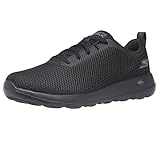
For long days of urban exploration where closed-toe shoes are preferable, a breathable, supportive pair is key. Your feet will thank you after miles on Singapore's concrete walkways and in the crowded aisles of its shopping centers.
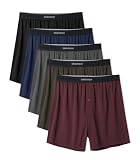
Humidity makes everything feel damp. Quick-dry underwear can be washed in a sink at night and will be ready by morning, a practical necessity for managing laundry during a trip through Singapore's moist climate.
Electronics & Gadgets
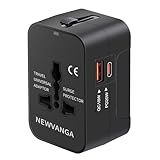
Singapore uses the British-style Type G plug. A universal adapter ensures you can charge devices not only there but anywhere else in Southeast Asia you might visit, from the three-pronged sockets in your hotel to the two-pronged outlets in a local cafe.

Long days out navigating with maps, taking photos of Singapore's skyline, and using translation apps drain phone batteries. A high-capacity bank provides multiple full charges, ensuring you never lose your digital lifeline in the middle of a crowded hawker center.

Cables fray and get lost. Having extras means one can stay with your power bank, one by the bed, and a spare in your bag. The braided construction resists the wear of being constantly stuffed into bags damp with the day's humidity.

Essential for protecting your phone from sudden rain showers, boat spray on a river tour, or the general humidity that can seep into electronics. It also allows you to safely take photos near Singapore's fountains or at a wet market.
Older hotels and guesthouses in the region may have limited outlets. A compact strip lets you charge multiple devices from one socket, a common necessity when you need to power a phone, camera, and power bank overnight.
Toiletries & Health

The tropical sun is relentless. You will need to apply a high-SPF sunscreen daily, even on cloudy days, to protect from intense UV rays. A reef-safe formula is important if you plan to swim in the oceans around Singapore or neighboring countries.

Mosquitoes are prevalent, in the evenings near greenery or still water. The smell of citronella candles at outdoor restaurants is common, but a reliable repellent on your skin is your best defense against bites and diseases like dengue.

For treating minor cuts from coral or market stalls, blisters from new sandals, or stomach ailments. Having basic supplies on hand means you don't need to search for a pharmacy when you hear your stomach rumble uncomfortably after trying a new street food.

Avoids liquid spillage in your bag from changes in cabin pressure and heat. These solid bars last a long time, reduce plastic waste, and perform well in the humid conditions where liquid products can become separated or messy.

Even with careful application, the strong sun can lead to overheated skin. The cool, soothing sensation of aloe provides immediate relief for skin that feels tight and warm after a day under the Singapore sun.
Documents & Security

Keeps your passport secure from digital skimming in crowded transit hubs like Singapore's Changi Airport. It also protects the physical document from moisture and wear as you handle it frequently for check-ins and immigration.

For storing the bulk of your cash, credit cards, and a backup passport copy securely under your clothing. This provides peace of mind when walking through dense, crowded areas where you might feel a light brush against you in the throng.

Important for protecting paper documents, printed itineraries, and local currency from sudden rain, boat trips, or general humidity that can cause ink to run and paper to stick together.

Clip these onto your main luggage and daypack zippers. They deter casual theft in hostel dorms, overnight trains, and hotel storage rooms. Basic protection. Worth the grams.
Comfort & Convenience

Long flights to Singapore drain you. A supportive neck pillow helps you rest on the plane. Use it again on bus and train journeys between regional destinations. The humid air and road rhythm will lull you. Pack one.

Block early sunrise, street lights, and screen glow. Complete darkness overrides jet lag. It silences unfamiliar city sounds. Sleep matters.

Drown out air conditioning hum, scooter roar at night, hostel chatter, and morning calls to prayer. These find quiet in Southeast Asia's noisy cities. Essential.
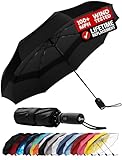
More practical than a poncho in urban Singapore. Cover plus airflow. A windproof model withstands tropical storm gusts. Stay dry between covered walkways.

Carry wet swimsuits, market purchases, extra layers. Folds tiny. Always have it. Skip the plastic bags still common in local shops.
Beach & Water Gear
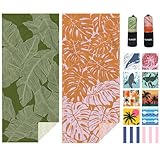
Hotel towels stay damp in humid air. Microfiber dries fast, packs small, resists sand. Use it at beaches, hostels, parks. Multi-purpose.
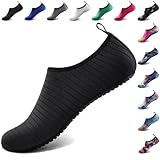
Shield feet from hot sand, sharp coral, rocky riverbeds, hidden debris. Dry fast. Light. Boat to town, no change needed.
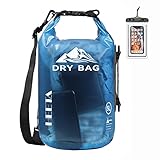
Protect phones, wallets, dry clothes on boats, kayaks, in sudden rain. Widely used on island tours. Salt spray ruins electronics. Don't risk it.

Constant sun protection. No reapplication needed. Shields against reef scrapes, jellyfish stings. Swim worry-free.
Seasonal Packing Adjustments
What to add or skip depending on when you visit
Dry Season
November, December, January, February
Add: Lip balm with SPF, Lightweight scarf for cooler evenings
Shop Dry Season essentials →Most popular months. Less rain. Air feels slightly less heavy. Sun protection still critical. Evening breezes near water help.
Wet Season (Southwest Monsoon)
June, July, August, September
Add: Extra quick-dry clothing sets, Plastic bag for wet items, Anti-chafing balm
Shop Wet Season (Southwest Monsoon) essentials →Heavy afternoon downpours daily. Humidity peaks. Quick-dry fabrics essential. Rain drums on rooftops. Pack backup walking shoes.
Inter-Monsoon Seasons
March to May, October
Add: Versatile layers, Portable fan
Shop Inter-Monsoon Seasons essentials →Unpredictable. Intense heat. Violent thunderstorms. Temperature swings fast. Prepare for everything. Check forecasts hourly.
Luggage Recommendation
Choose a 40-50L carry-on backpack or soft spinner suitcase. Wheels work in Singapore's smooth streets. Struggle on cobblestones, ferries, tuk-tuks elsewhere. Backpack offers flexibility. Lock your main bag. Add a packable daypack. Weigh everything. Budget airlines in Southeast Asia charge for surprises.
Shop Carry-On Luggage on AmazonPro Packing Tips
Practical advice from experienced travelers
Don't Pack
- Leave heavy jeans and denim jackets home. Too hot. Slow to dry. Bulky. Buy lightweight cotton at Chatuchak, Bangkok if needed.
- Skip bulky towels. Hotels provide them. Space wasters. Quick-dry microfiber beats them every time.
- Don't pack full-sized toiletries. Heavy. Leak risk. Watsons and Guardian in Singapore stock small sizes. Buy there.
- One smart-casual linen shirt or blouse covers nice dinners. Dress codes stay relaxed. Don't overpack.
- Leave expensive jewelry and flashy watches. Target risk. Casual atmosphere makes them pointless.
- Hardcover guidebooks weigh too much. Go digital. Grab a cheap local map after arrival. Lighter.
Buy Locally
- Buy a local SIM or eSIM immediately. Airport kiosks (Singtel, StarHub) or any 7-Eleven in Singapore. Instant data. Affordable.
- Bring starter supplies, then buy local. Off! and regional sunscreens match local conditions. Cheaper at pharmacies.
- Pick up a sarong or lightweight scarf at Bugis Street. Cheap. Temple cover-ups, beach wear, transport blanket. Versatile.
- Buy flip-flops at street markets. Cheap variety. Hostel showers, beaches, casual wear. Replaceable.
- Rain ponchos cost nothing at convenience stores when storms hit. Disposable. Sometimes better than unpacking your umbrella.
Packing Hacks
- Roll clothes instead of folding to save space
- Pack shoes in shower caps to protect clothes
- Use packing cubes to stay organized
- Keep essentials in your carry-on
Continue Planning Your Trip
More guides to help you prepare